The evolution of anesthesiology residency reflects the broader transformation of medicine from an apprenticeship-based craft to a rigorously structured scientific discipline. When anesthesia first emerged in the mid-19th century, formal training programs did not exist. Surgeons or hospital staff administered ether or chloroform with little understanding of physiology, pharmacology, or safety principles. As techniques advanced and the dangers of anesthesia became increasingly apparent, the need for specialized training grew. By the early 20th century, a small number of pioneering physicians began advocating for anesthesia as its own medical specialty rather than a task delegated to whomever happened to be available in the operating room.
The first true anesthesiology residencies appeared in the 1930s and 1940s, driven by figures such as Ralph Waters at the University of Wisconsin and Emery Rovenstine at Bellevue Hospital. These early programs formalized the concept that anesthesiologists require deep training in physiology, airway management, pharmacology, and perioperative care. The curricula were heavily clinical, emphasizing hands-on experience with the emerging anesthetic agents of the time and the developing tools of airway control. Residents learned through long hours in the operating room under the direct supervision of a small number of academic mentors who were simultaneously defining the boundaries of the field.
By the mid-20th century, anesthesiology had expanded beyond its initial focus on unconsciousness and pain relief. Critical care units were emerging, cardiac surgery was advancing rapidly, and new techniques such as regional anesthesia and mechanical ventilation were transforming perioperative medicine. Residency programs adapted by incorporating rotations in intensive care, obstetric anesthesia, and pain management. Training grew from one or two years to the modern three- or four-year structure, reflecting the growing complexity of the specialty.
In the latter decades of the 20th century, residency training underwent further evolution as anesthesiology increasingly intersected with technology. The introduction of pulse oximetry, capnography, and more sophisticated monitoring devices changed both clinical practice and residency education. Residents became expected to understand not only pharmacology and physiology but also biomedical engineering concepts that influenced patient safety. The development of subspecialties such as pediatric anesthesia, cardiac anesthesia, neuroanesthesia, regional anesthesia, and acute pain expanded the scope of training even further. Many programs began offering fellowship opportunities to address these growing niches while still maintaining a broad-based residency foundation.
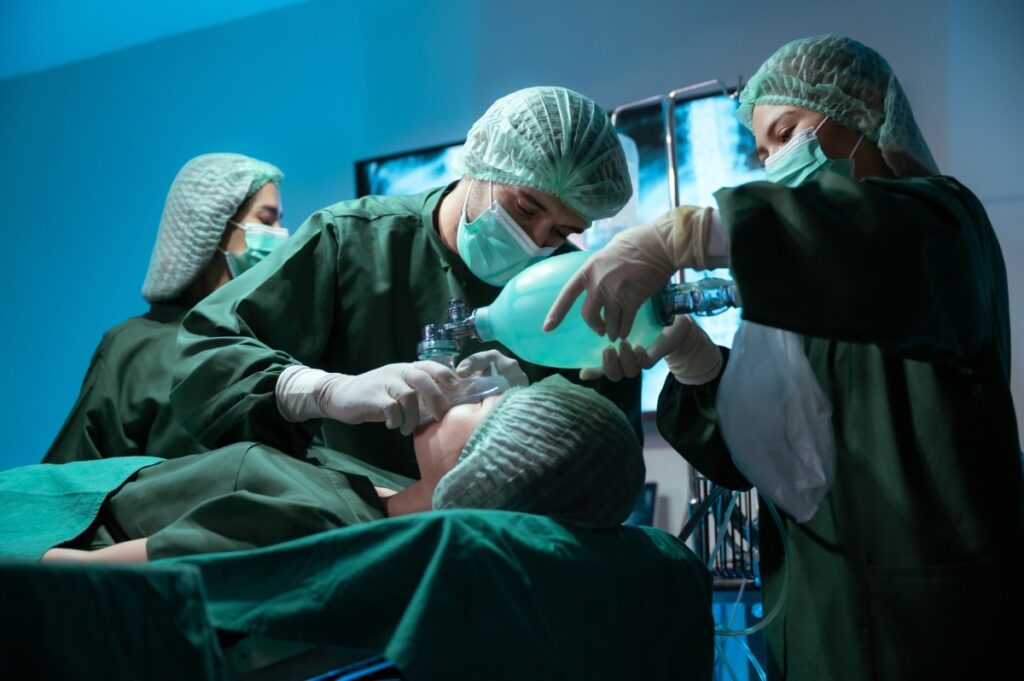
In the 21st century, the evolution of anesthesiology residency continues with advancements in simulation, patient-safety science, and systems-based practice. High-fidelity simulation centers allow residents to practice crisis management and rare but high-stakes events in a controlled environment, reducing reliance solely on real-time clinical exposure. Competency-based assessments now supplement traditional time-based training, emphasizing not just the quantity of cases but the mastery of specific skills and judgment. With the increasing focus on team communication, anesthesiology residents train alongside surgeons, nurses, and emergency personnel to improve coordination during critical events.
Modern residencies also reflect an expanded vision of what anesthesiologists do. The specialty now encompasses perioperative medicine, preoperative optimization, postoperative recovery, and population-level safety initiatives. Residents are trained to evaluate patients in preoperative clinics, manage complex medical conditions perioperatively, and participate in multidisciplinary quality-improvement efforts. Many programs incorporate research training, recognizing anesthesiology’s role in advancing fields such as pain science, critical care, and medical device innovation.
Throughout the evolution of anesthesiology residency, its core aim has remained consistent: to prepare physicians to ensure patient safety during some of the most vulnerable moments in healthcare. What has changed is the breadth and depth of knowledge required to do so. From its informal beginnings to the highly structured, technologically sophisticated programs of today, anesthesiology residency continues to adapt in response to advances in science, shifting patient needs, and the expanding responsibilities of the specialty.